When it comes to gaming on the go, many players choose handheld systems like the Nintendo Switch 2 or the ROG Xbox Ally. However, if you prefer a larger display and a more immersive experience, a gaming tablet can be a better option.
Not every tablet is built for serious gaming, though. You’ll need one with strong processing power, capable graphics performance, and enough memory and storage to handle modern Android or iPad titles smoothly.
Below, you’ll find key recommendations along with the most important factors to keep in mind when selecting the ideal gaming tablet.
Contents
Best Gaming Tablets for Mobile Gaming, Cloud Streaming, Emulation, and PC Performance
We evaluated these tablets using real-world gaming workloads rather than synthetic benchmarks alone.
That covered sustained FPS stability across long sessions, thermal throttling behavior after 30 to 45 minutes of heavy load, touch responsiveness in competitive shooters, cloud gaming latency over Wi-Fi 7, speaker quality during immersive gameplay, controller compatibility, charging speed recovery, and long-term software update reliability.
1. Lenovo Legion Tab Gen 3
Best compact Android gaming tablet

- Snapdragon 8 Gen 3
- 12GB to 16GB RAM
- 256GB to 512GB storage
- 8.8-inch 165Hz LCD
- Dual USB-C ports
- Advanced vapor chamber cooling
The Legion Tab Gen 3 is purpose-built for gaming in a way that most tablets are not.
The 8.8-inch compact form factor solves the hand fatigue problem that larger gaming tablets introduce during long competitive gaming sessions: the lighter chassis makes extended handheld play noticeably more comfortable than 13 to 14-inch competitors.
The standout feature is sustained thermal management. Lenovo’s cooling system maintains stable frame rates during long gaming sessions considerably better than most Android tablets, which matters more than peak benchmark scores for actual gameplay quality.
A tablet that throttles after 35 minutes and drops from a stable 60FPS to an unstable 45FPS delivers a worse gaming experience than one with lower peak numbers that holds steady throughout.
The 165Hz panel feels visibly smoother than standard 120Hz tablets in fast-paced shooters, and the touch responsiveness benefits competitive titles in a way that display spec alone doesn’t fully convey.
Battery life is respectable rather than exceptional. High-refresh competitive gaming at maximum brightness drains it faster than larger tablets, but charging speed offsets that limitation reasonably well.
The trade-off is software update consistency: Lenovo’s Android experience is competent, but long-term update reliability doesn’t match Apple or Samsung’s track records.
Gaming experience:
- Excellent sustained thermal performance across extended gaming sessions
- Outstanding for competitive gaming titles, including FPS, MOBA, and battle royale
- Strong emulator performance across retro and modern platforms
- Very comfortable handheld design for long sessions
- Reliable controller support
Pros:
- Most comfortable handheld design on this list for competitive and travel gaming
- Vapor chamber cooling maintains stable frame rates in a way that most Android tablets don’t sustain
- 165Hz display is the smoothest on any Android gaming tablet at this size
- Gaming-focused thermal and performance tuning goes beyond what general-purpose tablets offer
- Dual USB-C ports handle charging and accessory connectivity simultaneously
Cons:
- Smaller display limits media consumption and cloud gaming immersion compared to larger alternatives
- Battery life is average rather than strong for a premium gaming device
- Software update timeline is less predictable than Apple or Samsung
Best for: Competitive gaming, emulation, travel gaming, portable Android gaming, and FPS and MOBA players.
Verdict: For Android gamers who prioritize performance consistency and handheld comfort over large-screen immersion, the Legion Tab Gen 3 delivers the best sustained gaming experience in a compact package. Some players will find it the more practical daily gaming tablet compared to anything larger on this list.
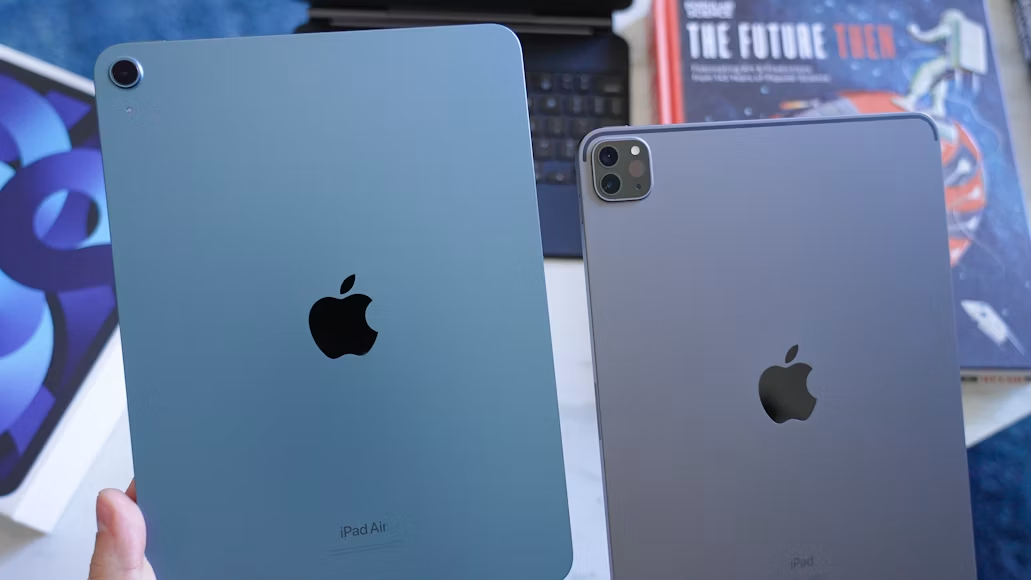
2. Apple iPad Pro 11-inch M5
Best overall gaming tablet

- Apple M5 chip with hardware ray tracing
- 8GB to 16GB RAM
- Up to 2TB storage
- 11-inch Ultra Retina XDR OLED, 120Hz ProMotion
- Wi-Fi 7 and Bluetooth 5.4
- USB-C Thunderbolt support
The iPad Pro M5 feels less like a tablet and more like a portable gaming workstation, and the reason is consistency rather than peak numbers.
Plenty of tablets benchmark well for a few minutes. The M5 maintains stable performance even during long sessions without the thermal throttling that causes frame pacing issues on competing hardware after 30 to 40 minutes of heavy load.
Demanding titles like Genshin Impact and Wuthering Waves run at ultra settings without meaningful frame drops. Competitive shooters feel responsive, reflecting both the 120Hz ProMotion OLED panel and the genuinely low touch latency that iPadOS delivers for gaming input.
The OLED display produces deep blacks and properly calibrated HDR highlights, and eye strain during long sessions is noticeably lower than on the LCD gaming tablets that dominated the category in previous years.
Apple’s ecosystem optimization is the less visible advantage that compounds across every gaming use case. Mobile games are generally better optimized for iPadOS, controller pairing is more reliable, emulator performance is outstanding, and cloud gaming through Xbox Cloud Gaming or Steam Link over Wi-Fi 7 feels close to console-quality on a stable connection.
Battery life during demanding gaming consistently outlasts most Android competitors, even with 120Hz and high brightness both enabled.
The drawback is cost. Storage upgrades move quickly into premium pricing territory, accessories are expensive, and iPadOS still imposes restrictions on multitasking and system-level customization that Android and Windows tablets don’t.
Gaming experience:
- Excellent sustained FPS stability across long sessions
- Minimal thermal throttling under heavy workloads
- Outstanding touch responsiveness for competitive titles
- Reliable controller pairing across Xbox, PlayStation, and third-party devices
- Excellent cloud gaming performance over Wi-Fi 7
- Strong emulator support across retro and modern systems
Pros:
- Best overall gaming performance on this list
- Exceptional OLED display quality
- Battery efficiency outperforms Android competitors during gaming
- Premium build quality and long-term software support
- Elite app and game optimization from the iOS/iPadOS ecosystem
Cons:
- Most expensive tablet on this list before accessories
- Storage upgrades add significant cost beyond base configurations
- iPadOS multitasking and system customization restrictions remain limiting for power users
Best for: Competitive gaming, AAA mobile titles, cloud gaming, emulation, content creators, and students who want gaming and productivity from one device.
Verdict: For most gamers in 2026, the iPad Pro M5 is the best overall gaming tablet. The combination of sustained performance, battery efficiency, display quality, and software optimization is the hardest package to beat at any price point.
3. Samsung Galaxy Tab S11 Ultra
Best Android gaming tablet

- MediaTek Dimensity 9400+
- 12GB to 16GB RAM
- Up to 1TB storage
- 14.6-inch AMOLED, 120Hz
- 45W charging
- IP68 water resistance
The Tab S11 Ultra’s defining advantage is immersion.
The 14.6-inch AMOLED display is the largest on this list, and the scale changes what cloud gaming and racing titles feel like. Streaming full PC games through Steam Link or GeForce NOW over Wi-Fi 7 feels closer to using a lightweight gaming laptop than any previous Android tablet has managed.
The quad-speaker setup delivers the best integrated tablet audio currently available, and HDR gaming on the AMOLED panel looks genuinely impressive with proper brightness and contrast handling that outdoor use no longer washes out.
The MediaTek Dimensity 9400+ handles GPU-heavy titles with ray tracing support well, though it doesn’t reach the sustained CPU performance that Apple’s M5 delivers during very long sessions.
Heat buildup around the center of the rear panel becomes noticeable during extended gaming, but Samsung’s vapor chamber cooling maintains stable frame pacing considerably better than previous Galaxy Tab generations managed.
Samsung DeX is a meaningful gaming advantage that the spec sheet undersells. Connecting a controller, external monitor, keyboard, and mouse over USB-C converts the Tab S11 Ultra into a lightweight desktop gaming setup that no iPad can currently match for desktop-mode flexibility.
The limitation is portability: at 14.6 inches, hand fatigue during handheld gaming sessions becomes noticeable faster than on compact alternatives.
Gaming experience:
- Excellent cloud gaming tablet performance
- Outstanding OLED media and gaming immersion
- Strong Android game library support
- Reliable controller compatibility
- Better sustained thermals than previous Galaxy Tab generations
Pros:
- Largest and most immersive display on this list
- Best integrated speaker system on any current gaming tablet
- Samsung DeX desktop mode extends the device into a full workstation setup
- Strong multitasking capability across gaming and productivity
- Significant battery improvements over the previous generation
Cons:
- 14.6 inches causes hand fatigue faster than compact alternatives during long handheld sessions
- Keyboard accessories are expensive relative to what they add
- Sustained CPU performance trails the M5 iPad Pro during very demanding workloads
Best for: Cloud gaming, media consumption, Android multitasking, productivity and gaming hybrid use, and travel entertainment.
Verdict: The best Android gaming tablet for players who want the most immersive display available, premium multimedia features, and strong cloud gaming performance. The DeX desktop mode adds desktop gaming flexibility that no competing Android tablet matches.
4. Apple iPad mini (A17 Pro)
Best portable iPad for gaming

- Apple A17 Pro
- 8.3-inch Liquid Retina display
- Wi-Fi 6E
- USB-C charging
- Apple Pencil Pro support
The iPad mini has maintained a loyal following among mobile gamers because it solves the portability problem that larger tablets create without meaningfully compromising on performance.
The A17 Pro chip handles demanding mobile titles exceptionally well. Games like PUBG Mobile and Call of Duty Mobile feel fast and responsive, and the smaller display actually works in the device’s favor for competitive shooters where target size and screen real estate management matter.
Travel gaming is where this tablet is most clearly differentiated from every other option on this list. It fits into smaller bags without dedicated tablet compartments, works comfortably with telescopic controllers, and produces a handheld feel that 11 to 14-inch tablets genuinely can’t replicate for extended portable sessions.
Emulation is another compelling strength: retro systems run cleanly, and the compact display recreates the proportional feel of classic handheld gaming devices in a way larger iPads don’t.
The 60Hz display is the limitation that matters most for gamers moving from higher-refresh devices. Returning to 60Hz from 120Hz or 165Hz is immediately noticeable in competitive titles, and the smoothness gap grows more apparent the more time you’ve spent on high-refresh hardware.
Battery life is solid for typical gaming use, though intensive sessions drain it faster than larger iPads with bigger battery cells.
Gaming experience:
- Excellent handheld comfort during extended sessions
- Strong emulator support across multiple retro platforms
- Reliable controller pairing across all major controller ecosystems
- Consistent performance without thermal throttling under normal gaming loads
- Outstanding travel gaming experience
Pros:
- Most portable option on this list by a meaningful margin
- A17 Pro delivers strong gaming performance relative to the device size
- Best-in-class emulation experience for compact portable gaming
- Comfortable for extended handheld sessions without hand fatigue
- Apple’s long-term software support extends the useful lifespan
Cons:
- 60Hz refresh rate is a noticeable limitation for players accustomed to 120Hz or higher
- Smaller speakers reduce audio immersion compared to larger tablets
- Limited screen real estate for productivity multitasking alongside gaming
Best for: Portable gaming, students, emulation, casual gaming, and travelers.
Verdict: If portability is the primary requirement and the 60Hz display is an acceptable trade-off for the form factor, the iPad mini remains one of the most enjoyable gaming tablets available. No other device on this list travels as effortlessly or feels as natural for extended handheld play.
5. ASUS ROG Flow Z13
Best premium Windows gaming tablet

- AMD Ryzen AI MAX+ 395
- Radeon integrated graphics
- Up to 64GB RAM
- 13.4-inch 180Hz display
- Windows 11
- USB4 and external GPU support
The ROG Flow Z13 is a fundamentally different category of device from the other four tablets on this list.
This is a full gaming laptop compressed into a detachable tablet form factor, and the implication of that is significant: native AAA PC games run locally, the full Steam and Xbox Game Pass library is available without streaming, and external GPU support through USB4 extends the performance ceiling beyond what the integrated graphics alone provide.
The Ryzen AI MAX+ 395 platform delivers gaming performance that no mobile chipset approaches for native PC workloads. Modern AAA titles are playable at reasonable settings without streaming involved, which is a capability no other tablet on this list can match.
The cooling system uses an aggressive vapor chamber design and intelligent thermal profiles to maintain sustained performance better than most thin gaming laptops, which is a more relevant comparison point for this device than any tablet.
The compromises are proportional to the capability. Battery life under native PC gaming loads is significantly shorter than iPad territory. Fan noise becomes audible during heavy gaming in a way that passive-cooled tablets never produce.
The device is heavier and bulkier than any other option here. For users who want a portable gaming tablet that can genuinely replace a gaming laptop rather than complement one, nothing else on this list comes close to that specific requirement.
Gaming experience:
- Native PC gaming capability across the full Steam and Xbox library
- Excellent controller support across all platforms
- Outstanding multitasking between gaming and productivity workloads
- Strong desktop replacement potential with external monitor and peripherals
- Full Steam ecosystem integration without cloud streaming dependency
Pros:
- Most powerful gaming device on this list by a significant margin for native workloads
- Full Windows 11 compatibility runs any PC game without emulation or streaming
- The 180Hz display is the highest refresh rate on this list
- Excellent sustained cooling for a tablet-form device
- USB4 external GPU support extends the performance ceiling beyond integrated graphics
Cons:
- Price is at the top of this list and significantly above tablet competitors
- Heavier than every other device here, which affects portable gaming comfort
- Fan noise during heavy gaming is audible in a way passive-cooled tablets never produce
- Battery life during native PC gaming is significantly shorter than iPad or Android alternatives
Best for: PC gamers, game streaming, productivity, content creation, and desktop replacement users.
Verdict: If a portable gaming tablet that runs native PC games is the specific requirement, nothing else on this list provides that capability. The ROG Flow Z13 isn’t competing with the iPad Pro or Galaxy Tab Ultra; it’s competing with gaming laptops and winning on portability while trading away some battery life and silence to do it.
At a Glance: The 5 Best Gaming Tablets
iPad Pro M5
Galaxy Tab S11 Ultra
Legion Tab Gen 3
iPad mini A17 Pro
ROG Flow Z13
Best use case
Overall gaming
Android gaming
Competitive gaming
Portable gaming
PC gaming
OS
iPadOS
Android
Android
iPadOS
Windows 11
Refresh rate
120Hz
120Hz
165Hz
60Hz
180Hz
Cooling
Passive + thermal design
Vapor chamber
Gaming vapor chamber
Passive
Active cooling
Battery during gaming
Excellent
Very good
Good
Good
Average
Portability
Very good
Fair
Excellent
Excellent
Fair
How to Choose the Best Gaming Tablet
Processor and GPU performance
Gaming performance starts with the chipset, but the sustained performance over a 45 to 60-minute session matters more than the peak benchmark.
Apple’s M-series processors currently lead on sustained efficiency, meaning the gap between a 5-minute benchmark and a 60-minute gaming session is smaller on iPad than on most Android alternatives.
Snapdragon and MediaTek flagships offer strong gaming performance and more flexibility for Android-specific gaming features, but thermal management quality varies significantly between manufacturers at equivalent chipset tiers.
Refresh rate and touch latency
The jump from 60Hz to 120Hz is immediately perceptible and improves competitive gaming responsiveness in a way that most players notice within the first few minutes.
The step from 120Hz to 165Hz is more subtle but benefits fast-paced shooters where touch input timing precision matters.
Touch latency is a separate but related variable: a 120Hz panel with low touch latency can feel more responsive than a 165Hz panel with higher input lag, and this distinction doesn’t show up in display specifications alone.
Thermal management during long sessions
Thermal throttling is the hidden performance specification that review sites rarely emphasize adequately.
A tablet that delivers stable 60FPS for 60 minutes provides a better gaming experience than one that achieves 90FPS for 20 minutes and drops to 45FPS for the remainder of the session.
Vapor chamber cooling, dedicated gaming modes, and intelligent thermal profiles are the features worth looking for beyond peak benchmark numbers.
If a tablet’s sustained performance figures under long gaming loads aren’t available in reviews, that absence itself is informative.
Display technology for gaming immersion
OLED delivers the best contrast, deepest blacks, and fastest pixel response times for gaming immersion, and the difference is most apparent in dark environments and HDR-mastered content.
Mini-LED provides higher peak brightness in well-lit environments and avoids the burn-in risk that OLED carries with static interface elements.
LCD remains the most practical choice for budget-conscious buyers and for tablets where sustained heat from gaming makes OLED panel longevity a concern. For most gaming use cases, OLED is worth the premium if the budget allows.
Storage for serious gaming use
Modern mobile games consume storage aggressively. A few major titles plus an emulator library can fill 100GB to 300GB quickly, and offline media for travel pushes that further.
256GB covers light gaming use. 512GB is the realistic minimum for serious gamers who download and keep multiple major titles alongside other apps and media.
1TB is worth considering for players who maintain large ROM collections or frequently travel with substantial offline content.
iPadOS vs Android for gaming
iPadOS delivers better optimization for most mobile games, more consistent long-term performance, and longer software update support that extends the useful lifespan of the hardware investment.
Android offers more flexibility for emulation through broader app access, better desktop mode implementations, easier sideloading for games not available on official storefronts, and more customization of the gaming environment.
The ecosystem preference question is genuinely worth resolving before comparing specs, because the right answer differs meaningfully based on which gaming use cases matter most.
Which Gaming Tablet Should You Buy?
For the best overall gaming tablet with elite sustained performance, battery efficiency, and software optimization, the iPad Pro M5 is the clearest recommendation for most gamers in 2026.
For the best Android gaming tablet with the most immersive display and the strongest cloud gaming performance, the Galaxy Tab S11 Ultra delivers a large-screen experience that no compact alternative replicates.
For compact, competitive gaming where sustained thermals and handheld comfort matter more than screen size, the Lenovo Legion Tab Gen 3 is the most purpose-built gaming device on this list for that specific use case.
For portability as the primary requirement, the iPad mini A17 Pro fits into spaces and gaming sessions that no other tablet on this list can match, with the trade-off of a 60Hz display.
For native PC gaming in tablet form without streaming dependency, the ROG Flow Z13 is the only device here that genuinely replaces a gaming laptop rather than complementing one.
FAQs
Are gaming tablets actually worth it in 2026?
Yes, more so than in any previous year. The gap between gaming tablet capability and gaming laptop performance has narrowed significantly for cloud gaming, mobile gaming, and emulation workloads. For players who don’t need native AAA PC game performance, a gaming tablet now covers most gaming use cases while offering better portability, instant-on convenience, and longer battery life than a gaming laptop.
Which gaming tablet has the best performance overall?
The Apple iPad Pro M5 leads in sustained gaming performance, battery efficiency during gaming, and software optimization. The ASUS ROG Flow Z13 delivers higher raw power for native PC workloads, but it’s a different category of device with different trade-offs on battery life and weight.
Is iPadOS or Android better for gaming?
iPadOS leads in optimization, update longevity, and sustained performance consistency. Android leads on emulation flexibility, desktop mode capability, sideloading access, and customization.
The right answer depends on which gaming use cases you prioritize: competitive mobile gaming and cloud streaming favor iPadOS, while emulation and desktop mode gaming favor Android.
Which gaming tablet is best for competitive mobile gaming?
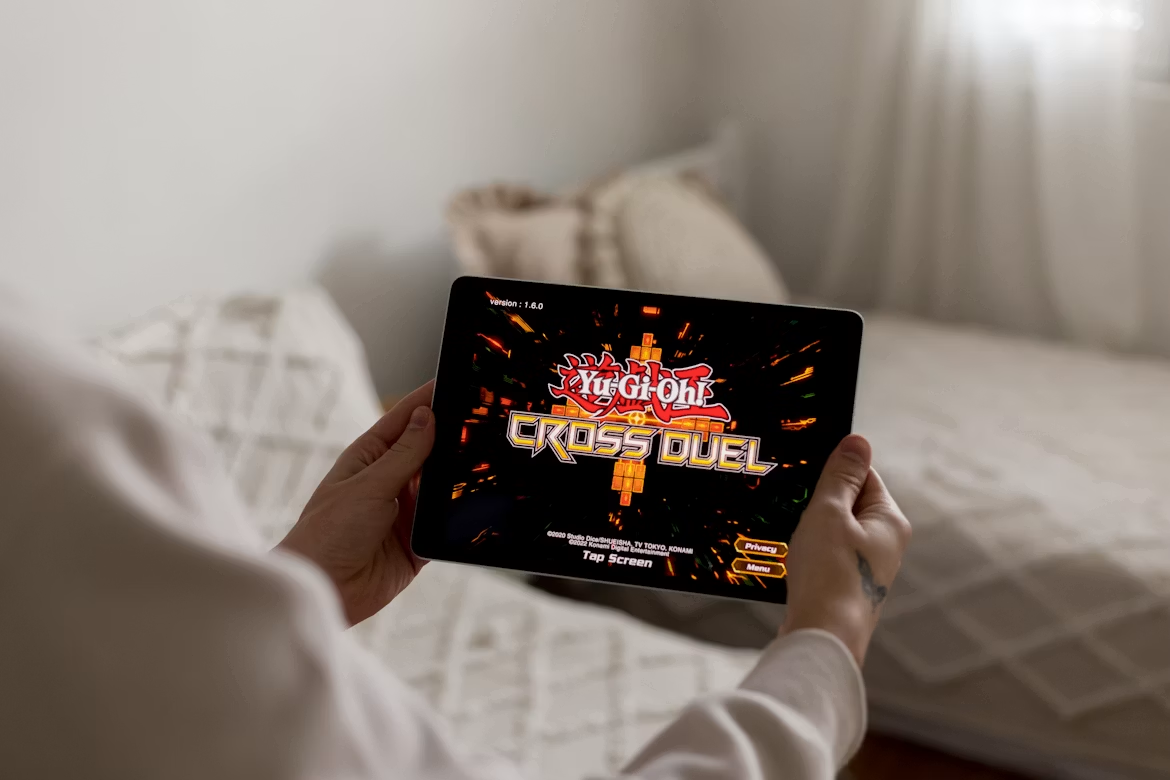
The Lenovo Legion Tab Gen 3 is the strongest choice for competitive titles, including PUBG Mobile, Call of Duty Mobile, and FPS games generally. The compact form factor reduces hand fatigue, the 165Hz display improves touch responsiveness, and the sustained thermal management keeps frame rates stable through long competitive sessions.
Are gaming tablets good for cloud gaming specifically?
Very good, particularly on Wi-Fi 7 connections. Xbox Cloud Gaming, GeForce NOW, and Steam Link all perform well on current-generation gaming tablets, and cloud gaming typically consumes significantly less battery than native AAA gaming because the processing load is handled server-side.
How long do gaming tablets typically last?
Premium gaming tablets remain useful for four to six years of regular use. Heavy gaming accelerates battery degradation faster than standard use, and lithium-ion battery capacity typically drops to around 80% of original capacity after 500 full charge cycles.
Buying from manufacturers with strong software update commitments extends the useful lifespan considerably: Apple leads on this metric with typically seven or more years of support.