Indoor air doesn’t stay as clean as it used to. Wildfire smoke drifts in from outside. Cooking smells hang around for hours. City pollution settles indoors overnight. And cigarette smoke still manages to cling to walls, fabrics, and furniture long after the smoke itself is gone.
Air purifiers are simple in theory: just a fan pulling air through a filter. But the good ones make a noticeable difference.
They quietly remove smoke, dust, allergens, and other airborne pollutants around the clock, helping a room feel fresher and easier to breathe in every day.
After testing how well different models handle smoke, odors, VOCs, noise, filter costs, and day-to-day usability, these are the air purifiers that stand out for wildfire smoke, cigarette smoke, kitchen fumes, and everyday indoor pollution.
Best Air Purifiers for Smoke
The best smoke air purifiers separate themselves in a few key ways: how quickly they clear fine particles, how effectively they reduce odors, and how livable they are day to day.
We looked closely at smoke CADR performance, activated carbon capacity, auto-mode responsiveness, overnight noise levels, maintenance costs, and long-term reliability.
Some purifiers excel at clearing wildfire haze quickly but struggle with lingering cooking odors. Others are whisper-quiet but slower in large open rooms.
A few premium systems offer exceptional VOC and smoke removal, though at much higher filter replacement costs.
The models below struck the best balance between performance, usability, and real-world value.
1. Blueair Blue Pure 211i Max
Best Air Purifier for Large Rooms

If you regularly deal with wildfire smoke indoors, airflow matters almost as much as filtration quality. The Blue Pure 211i Max moves an impressive amount of air, and that becomes obvious during poor air-quality days when haze slowly creeps into the house.
The biggest advantage here is speed. This purifier clears visible smoke and fine particles extremely quickly in open rooms. It’s especially effective in apartments and living rooms where smaller purifiers struggle to circulate enough air.
Blueair’s HEPASilent technology helps keep noise lower than expected at medium speeds. Overnight use is surprisingly comfortable considering the airflow volume. Its app experience is also cleaner and more reliable than many competitors.
The tradeoff is odor performance. While the activated carbon filtration is decent, it’s not as aggressive as the thicker carbon systems found in premium models like IQAir. Heavy cigarette smoke odors may linger longer than expected.
Still, for large-room smoke particle removal, few purifiers feel this effortless in everyday use.
Key Specs
- Purifier type: Large-room purifier
- Coverage area: Around 3,000 sq ft (low ACH)
- Smoke CADR: Excellent
Filtration:
- Particle + carbon filter system
- Fabric pre-filter
Noise levels:
- Low: Whisper quiet
- Medium: Excellent for bedrooms
- High: Noticeable airflow noise
- App connectivity: Strong
- Smart sensors: Responsive
Pros
- Outstanding airflow
- Excellent wildfire smoke performance
- Quiet for its size
- Attractive design
- Low energy consumption
Cons
- Carbon filtration could be stronger
- Replacement filters are expensive
- Large physical footprint
Verdict: If you need the best air purifier for large rooms during wildfire season, this is one of the strongest performers available.
2. Coway Airmega 400
Best Overall Air Purifier for Smoke

The Coway Airmega 400 continues to hit the sweet spot between raw performance, smart functionality, and livability.
What really makes this purifier stand out is how balanced it feels in real homes. It’s powerful enough for wildfire season, quiet enough for bedrooms at medium speeds, and smart enough to run mostly unattended.
The dual-filter design combines a washable pre-filter, True HEPA filtration, and thick activated carbon filtration that performs noticeably better than cheaper carbon sheets used in many budget purifiers.
During heavy cooking sessions or smoky outdoor conditions, the Airmega 400 ramps up quickly without becoming unbearably loud.
Coverage is excellent for open living rooms and larger apartments. Smoke CADR performance remains among the strongest in this category, and it handles PM2.5 spikes very effectively.
Coway’s auto mode is also one of the better-tuned systems available. It reacts fast without constantly overcorrecting fan speed.
Where this model shines is in long-term ownership. Filters are widely available, maintenance is simple, and reliability has been consistently strong across years of enthusiast recommendations.
Key Specs
- Purifier type: Premium smart purifier
- Coverage area: Up to 1,560 sq ft
- Smoke CADR: Around 350 CFM
Filtration:
- True HEPA filters
- Dual activated carbon filters
- Washable pre-filters
Noise levels:
- Low: Very quiet
- Medium: Comfortable for TV watching
- Turbo: Noticeable but manageable
- App support: Yes
- Auto mode: Excellent
Best for:
- Wildfire smoke
- Large living rooms
- Open floor plans
- Homes with pets
Pros
- Excellent smoke and odor removal
- Strong airflow for large spaces
- Reliable auto mode
- Easy maintenance
- Better-than-average carbon filtration
Cons
- Large footprint
- Expensive replacement filters
- Heavy to move around
Verdict: For most households, this is the best air purifier for smoke because it does almost everything well without major compromises.
3. Levoit Core 600S-P
Best Smart Air Purifier

Levoit has become extremely popular because it understands what modern buyers actually care about: quiet performance, smart automation, and reasonable ownership costs.
The Core 600S-P feels especially polished from a usability perspective. Setup is simple, the VeSync app is reliable, and the purifier integrates smoothly into smart-home routines.
Real-time PM2.5 tracking is useful during wildfire season, especially when outdoor smoke levels fluctuate throughout the day.
Where this model shines is in medium-speed operation. Many purifiers become irritating once fan speed increases, but the Core 600S-P stays relatively smooth and unobtrusive. That makes it one of the better choices for bedrooms or home offices.
Smoke removal performance is genuinely strong. It handles cooking smoke and urban pollution well, though extremely heavy cigarette smoke environments may saturate the carbon filter faster over time.
Long-term filter availability has also remained fairly reliable compared to smaller niche brands.
Key Specs
- Purifier type: Best smart air purifier
- Coverage area: Up to 3,000 sq ft (low ACH)
- Smoke CADR: High
Filtration:
- True HEPA filter
- Activated carbon filter
- Nylon pre-filter
Noise levels:
- Sleep mode: Very quiet
- Medium: Bedroom friendly
- Turbo: Audible but tolerable
- App support: Excellent
- Voice assistants: Alexa and Google compatible
Pros
- Excellent app experience
- Quiet overnight operation
- Great value for performance
- Responsive smart features
- Strong smoke particle filtration
Cons
- Carbon filter is smaller than the premium competitors
- Plastic-heavy build
- Sensors occasionally overreact to cooking steam
Verdict: For buyers wanting a quiet, modern, app-connected purifier with strong smoke performance, the Core 600S-P is easy to recommend.
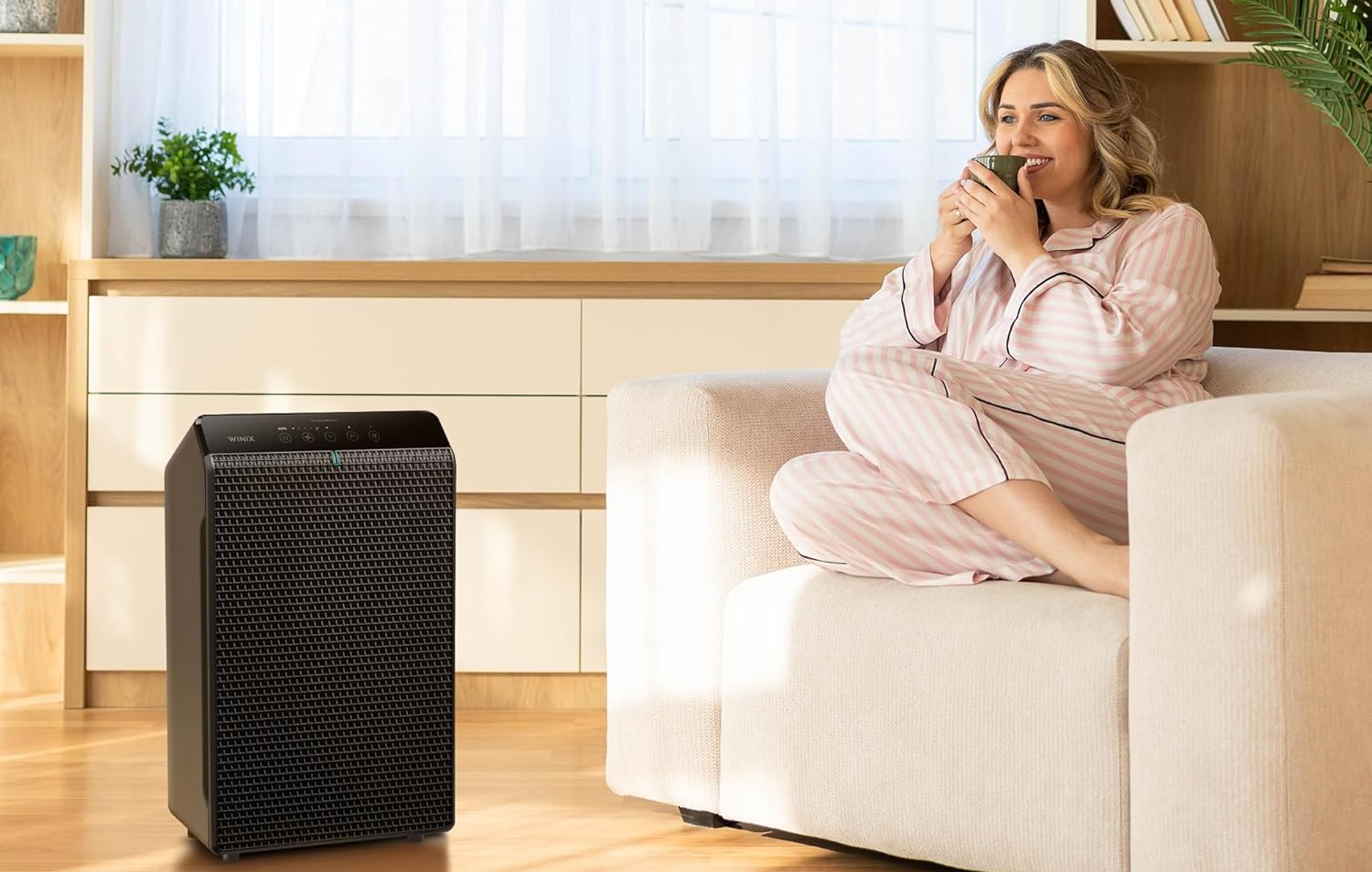
4. Winix 5500-2
Best Budget Air Purifier for Smoke

The Winix 5500-2 remains one of the best budget-friendly smoke purifiers because it gets the fundamentals right.
You get a washable pre-filter, True HEPA filtration, and a pellet-style activated carbon filter that performs better than many low-cost competitors. For apartments, bedrooms, or smaller offices, it still delivers impressive smoke-clearing performance for the price.
The biggest surprise is odor handling. Cigarette smells, cooking fumes, and pet odors fade noticeably faster here than with many similarly priced purifiers.
Where the compromises appear is airflow and smart functionality. It’s not designed for huge open spaces, and the app-free interface feels dated compared to newer connected models.
Still, if you want the best air purifier for cigarette smoke on a tighter budget, this remains one of the safest picks.
Key Specs
- Purifier type: Budget smoke purifier
- Coverage area: Medium rooms
- Smoke CADR: Strong for price
Filtration:
- True HEPA
- Washable carbon filter
- Pre-filter
Noise levels:
- Low: Quiet
- Medium: Comfortable
- Turbo: Noticeably loud
- Smart features: Minimal
Pros
- Excellent value
- Strong odor removal
- Affordable filters
- Proven reliability
- Easy maintenance
Cons
- Dated design
- Limited smart functionality
- Not ideal for very large spaces
Verdict: For smaller homes and apartments, the Winix 5500-2 continues to outperform expectations at its price point.
5. IQAir HealthPro Plus XE
Best Premium Air Purifier for Wildfire Smoke & VOCs

The IQAir HealthPro Plus XE is the purifier people buy when they’re done compromising.
This thing is built for extreme scenarios: severe wildfire smoke, chemical sensitivities, heavy urban pollution, or homes where smoke odors simply refuse to disappear.
The sealed HyperHEPA system is exceptional at trapping ultra-fine particles, while the massive activated carbon setup tackles VOCs and lingering odors far better than typical consumer purifiers.
Real-world wildfire performance is where it earns its reputation. During heavy smoke events, the difference becomes obvious within an hour or two. Indoor haze drops quickly, and the “campfire smell” lingering around windows disappears faster than with most standard HEPA units.
The biggest tradeoff here is cost. The purifier itself is extremely expensive, and replacement filters are not cheap either. It’s also bulkier and louder than sleeker consumer models.
But if you regularly deal with serious smoke exposure indoors, this becomes especially useful.
Key Specs
- Purifier type: Premium smoke and VOC purifier
- Coverage area: Large rooms
- Smoke CADR: Excellent
Filtration:
- HyperHEPA filter
- Massive activated carbon filtration
- Sealed system design
Noise levels:
- Low: Soft mechanical hum
- High: Quite loud
Smart features:
- App monitoring
- Air quality history
- Filter tracking
Pros
- Exceptional smoke filtration
- Outstanding VOC reduction
- Sealed filtration design
- Long filter lifespan
- Excellent build quality
Cons
- Very expensive
- Heavy and bulky
- Loud at higher speeds
Verdict: For severe wildfire smoke, chemical sensitivity, or heavy cigarette smoke environments, few consumer purifiers can match this level of filtration performance.
Best Air Purifiers for Smoke Comparison Table
| Feature | Coway Airmega 400 | Blueair Blue Pure 211i Max | Levoit Core 600S-P | Winix 5500-2 | IQAir HealthPro Plus XE |
| Best for | Overall smoke removal | Large rooms | Smart homes | Budget buyers | Wildfire smoke & VOCs |
| HEPA filtration | True HEPA | HEPASilent | True HEPA | True HEPA | HyperHEPA |
| Carbon filtration | Strong | Moderate | Good | Very good | Exceptional |
| Smart app | Yes | Yes | Excellent | No | Yes |
| Noise performance | Very good | Excellent | Excellent | Good | Average |
| Wildfire smoke | Excellent | Excellent | Very good | Good | Outstanding |
| Cigarette smoke | Excellent | Good | Very good | Very good | Outstanding |
| VOC reduction | Very good | Moderate | Good | Moderate | Best-in-class |
| Maintenance cost | Medium | Medium-high | Medium | Low | High |
| Best room size | Large rooms | Open spaces | Bedrooms/offices | Small-medium rooms | Large homes |
How to Choose the Best Air Purifier for Smoke
True HEPA Matters More Than Marketing
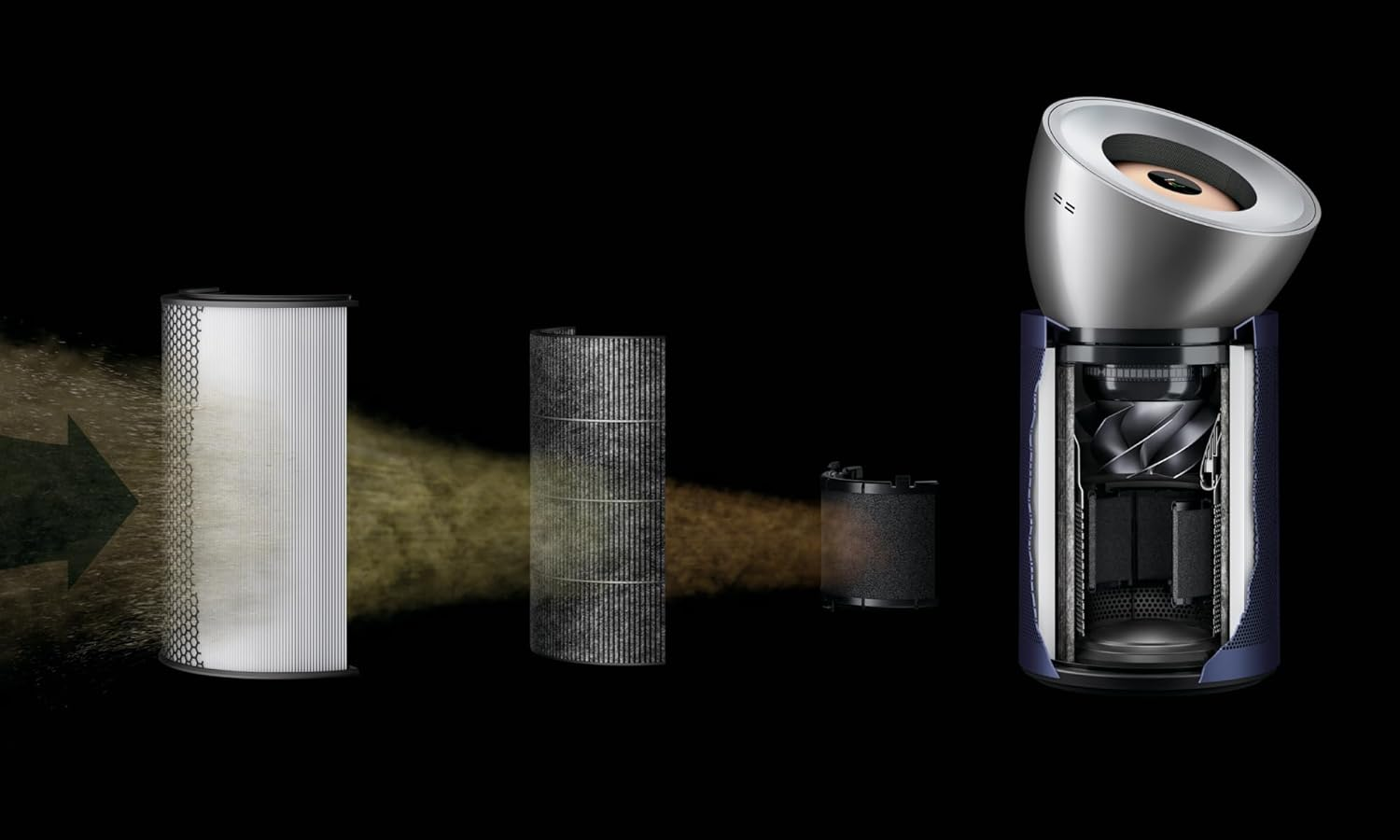
A true HEPA filter captures at least 99.97% of particles down to 0.3 microns. That’s essential for wildfire smoke, cigarette smoke particles, and urban pollution.
Be careful with vague phrases like “HEPA-type” or “HEPA-like.” Those often perform significantly worse.
If you’re shopping for the best HEPA air purifier for smoke, verified HEPA performance should be non-negotiable.
Activated Carbon Is Crucial for Odors
HEPA filters trap particles, but smoke smells are caused by gases and VOCs.
That’s why activated carbon matters so much. Thin carbon sheets help a little, but thicker pellet-style carbon filters perform much better over time.
This is where many cheaper purifiers disappoint. They clear visible smoke but leave lingering cooking smells or cigarette odors behind.
CADR Ratings Explain Real Smoke Performance
CADR stands for Clean Air Delivery Rate. For smoke specifically:
- Higher CADR = faster smoke clearing
- Large rooms need higher airflow
- Open floor plans require much stronger circulation
Small purifiers may work well in bedrooms but struggle badly in connected living spaces.
Noise Levels Matter More Than You Expect
Almost every purifier becomes loud on maximum speed.
The difference is whether medium settings remain comfortable overnight. That’s why quiet air purifiers for bedrooms matter so much in real-world use.
Blueair and Levoit currently lead in balancing airflow with lower perceived noise.
Smart Sensors Are Finally Improving
Modern PM2.5 sensors are far better than older generations.
Good auto modes now respond quickly to:
- Burnt cooking
- Outdoor smoke spikes
- Cigarette smoke
- Dust surges
Poorly calibrated sensors still exist, though. Some overreact to steam or humidity, causing unnecessary fan ramp-ups.
Watch Long-Term Filter Costs
A purifier that seems affordable up front can become expensive over time.
Key things to check:
- HEPA replacement frequency
- Carbon filter lifespan
- Availability during wildfire season
- Genuine vs third-party filter compatibility
Premium systems like IQAir offer excellent longevity but much higher annual maintenance costs.
Avoid Ozone-Producing Designs
Most modern HEPA purifiers are safe, but ionizers and ozone-producing technologies still deserve caution.
If a purifier includes optional ionization features, make sure they can be disabled.
Large Rooms Need Serious Airflow
One of the most common mistakes is buying a purifier that’s too small.
Smoke spreads fast in open floor plans, and underpowered units end up running constantly at noisy maximum settings.
For large homes, airflow often matters just as much as filtration quality.
Honorable Mentions
- Dyson Purifier Big+Quiet: Beautiful design and excellent smart features, though expensive for the filtration performance.
- Rabbit Air MinusA2: Extremely quiet with stylish wall-mounting options and customizable filters.
- Honeywell HPA300: A reliable old-school smoke purifier with strong airflow and simple controls.
Final Verdict: Which One Should You Buy?
If you want the best overall air purifier for smoke, the Coway Airmega 400 remains the easiest recommendation. It balances airflow, odor control, smart functionality, and long-term reliability extremely well.
For large open rooms and wildfire season, the Blueair Blue Pure 211i Max is incredibly effective at rapidly clearing smoke particles.
If smart features and quiet overnight performance matter most, the Levoit Core 600S-P feels especially refined for daily use.
Budget buyers should still look closely at the Winix 5500-2, which remains one of the best-value smoke purifiers available.
And for severe smoke exposure, chemical sensitivity, or serious VOC concerns, the IQAir HealthPro Plus XE operates on another level entirely.
FAQ
Do air purifiers really work for smoke?
Yes, but only good ones. True HEPA filters remove smoke particles effectively, while activated carbon helps reduce odors and VOCs. Weak carbon filtration is usually why some purifiers disappoint with cigarette smells or cooking odors.
What is the best air purifier for wildfire smoke?
The IQAir HealthPro Plus XE and Coway Airmega 400 are among the strongest performers for wildfire smoke because they combine strong particle filtration with serious carbon filtration.
Are HEPA filters enough for cigarette smoke?
Not completely. HEPA handles the particles, but activated carbon is necessary for the smell and chemical gases.
Which air purifier removes odors best?
Purifiers with larger carbon filters generally perform best. IQAir is particularly strong for smoke odors and VOCs.
How often should smoke filters be replaced?
It depends on usage and smoke exposure:
- HEPA filters: Usually 6-18 months
- Carbon filters: Often saturate faster during wildfire season or heavy smoking
Are expensive air purifiers worth it?
Sometimes. Premium models usually offer:
- Better carbon filtration
- More airflow
- Better sealing
- Longer-lasting filters
- Quieter operation
But for many homes, mid-range models like Coway or Levoit deliver excellent value.
Can air purifiers remove VOCs?
Some can effectively reduce VOCs, especially models with thick activated carbon filters. Small carbon sheets usually have limited long-term effectiveness.
What CADR rating is best for smoke?
For medium and large rooms, smoke CADR ratings above 250 CFM are ideal. Larger open spaces benefit from 350+ CFM.
Are ionizers safe?
Most modern systems are relatively safe, but many users prefer ozone-free HEPA purifiers or disable optional ionizer modes entirely.
Which purifier is best for large rooms?
The Blueair Blue Pure 211i Max and Coway Airmega 400 are excellent for larger spaces thanks to their strong airflow.
Can air purifiers eliminate cigarette smell completely?
Not always. Heavy indoor smoking can overwhelm smaller carbon filters. Good ventilation plus strong activated carbon filtration works best.
How loud are smoke air purifiers?
Most are quiet on low or medium settings but noticeably louder on turbo mode. Blueair and Levoit are currently among the quieter high-performance options.
Are smart air purifiers worth it?
Usually yes. Real-time PM2.5 monitoring, auto mode, and filter tracking genuinely improve day-to-day usability during wildfire season or pollution spikes.
How long do HEPA filters last?
Most last 6-18 months depending on usage, smoke levels, pets, and air quality conditions. Heavy smoke exposure shortens lifespan significantly.